Motorcycles as Modern Art: The Intersection of Design and Engineering
The Art of Motorcycle Design: A Fusion of Beauty and Performance
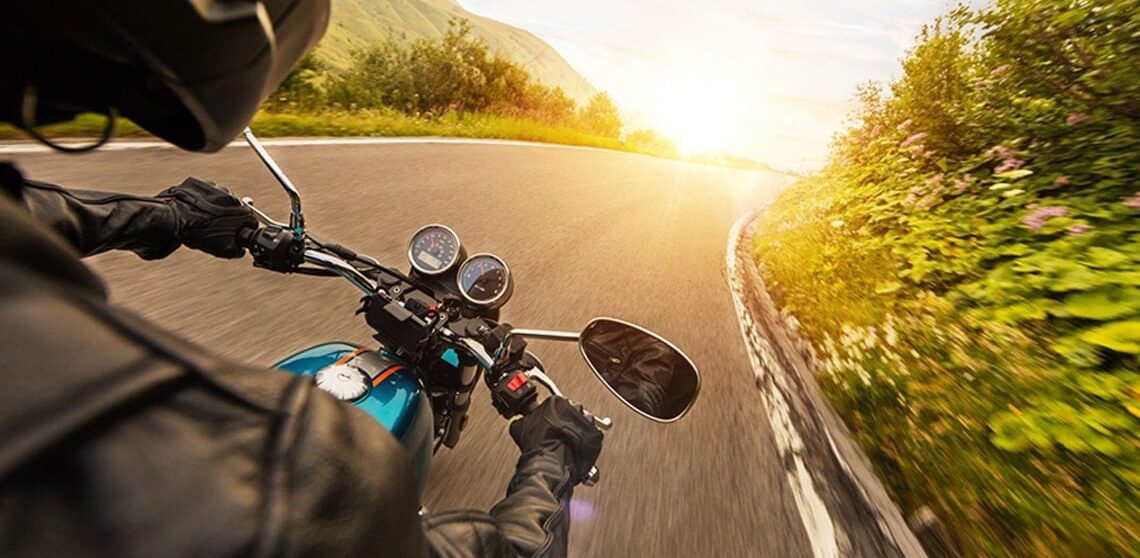
Motorcycle design is where art meets engineering. Each bike, from its frame to its exhaust system, is a carefully crafted balance between aesthetics and functionality. Motorcycle design isn’t just about looks; every curve, contour, and material choice is intentional and driven by performance needs.
The Role of Aerodynamics in Motorcycle Art
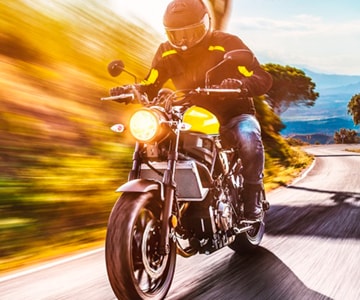
Aerodynamics is a key component in motorcycle design. Whether it’s a sportbike or a cruiser, aerodynamic features are built to reduce drag and enhance performance. The flowing lines on a bike, designed for speed, aren’t merely artistic but serve the practical purpose of improving stability and fuel efficiency.
Custom Bikes: The Intersection of Personal Expression and Function
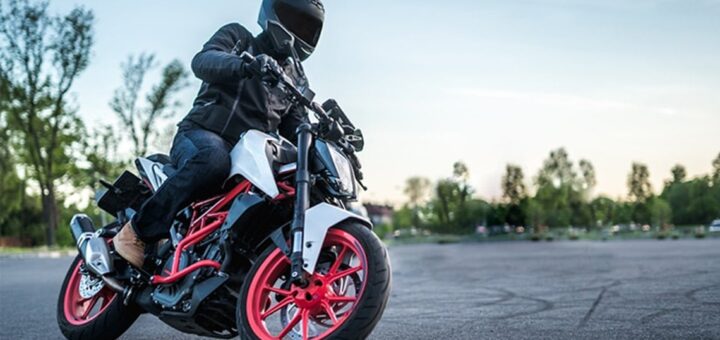
Custom-built motorcycles are perhaps the best representation of how motorcycling combines art and engineering. Riders and builders alike see motorcycles as a canvas to express personal style, using the bike’s design to reflect individual personalities. The trend of customizing motorcycles has led to a flourishing subculture where design choices are as important as performance features.
Materials and Technologies: Advancements in Design
Advancements in materials and technologies have revolutionized motorcycle design. Carbon fiber and lightweight alloys allow for more efficient, faster bikes without compromising on durability. These innovations contribute to the aesthetic appeal, with sleek, modern finishes that reduce weight while maintaining strength.
The Motorcycle as a Cultural Artifact
Motorcycles aren’t just tools – they’re cultural symbols. The design of a bike often reflects the culture of its time, whether it’s the 1950s custom chopper, the 1970s superbike, or today’s electric motorcycles. Each era’s bikes tell a story, capturing the spirit of the time through design and technology.
Functional Design: Balancing Form with Practicality
While aesthetics are crucial, the primary purpose of a motorcycle is functionality. Engineering and design work hand-in-hand to ensure that the bike is safe, efficient, and reliable. Whether it’s the placement of controls, the design of the seat for comfort, or the engineering of the engine for speed, each component serves a practical purpose that supports the overall design.
Influence of Racing: Shaping Design Innovation
Racing plays a significant role in motorcycle design. High-performance bikes used in MotoGP and other competitive arenas influence the design of street bikes. The pursuit of speed, control, and agility on the racetrack leads to technological breakthroughs that make their way into consumer bikes. Innovations like advanced suspension systems and lightweight materials often originate in the world of competitive motorcycling.
Iconic Motorcycle Designs Through History
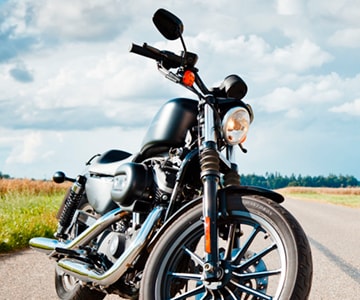
From the timeless Harley-Davidson to the sleek Ducati Panigale, certain motorcycle designs have become iconic. These bikes have set the standard for performance and aesthetics. Understanding the history of these designs provides insight into how motorcycles have evolved both as functional machines and artistic expressions.
Consectetur adipisicing elit, sed do eiusmod tempor incididunt labore et dolore magna aliqua nostrud exercitation. John Bolton